We help unlock the potential of people with Down's Syndrome
Cheshire Down's Syndrome
Support Group
We help unlock the potential of people with Down's Syndrome
Cheshire Down's Syndrome
Support Group
We help unlock the potential of people with Down's Syndrome
Cheshire Down's Syndrome
Support Group
We help unlock the potential of people with Down's Syndrome
We support families
What we do
Home visits
For a new or expectant parent of a child with Down’s syndrome things can seem very daunting and uncertain. As a group we have a team of people happy to meet with either expectant or new parents, at a place of their choice, to share their experiences. Please contact us at admin@cdssgroup.org.uk to arrange a meeting. You can also download our brochure that outlines what we do and who we help.
Friendship Groups
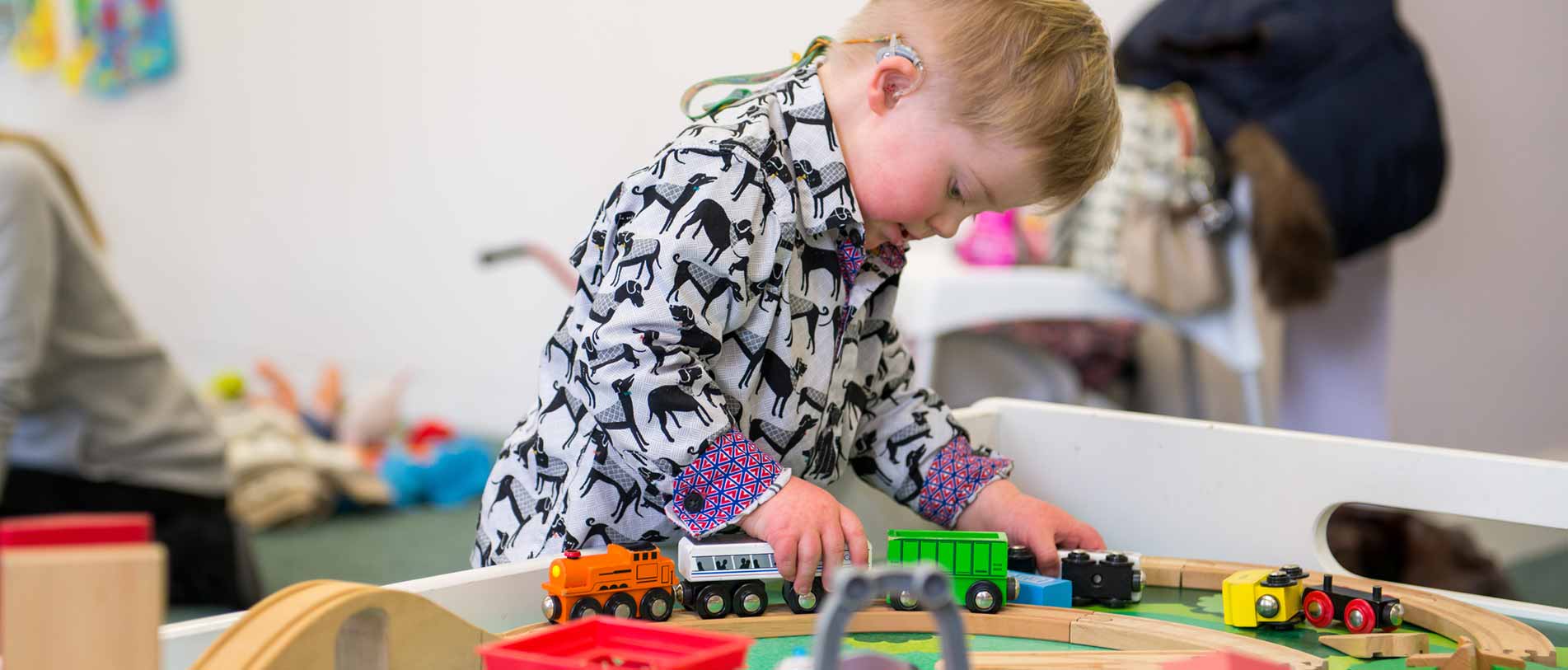
Making friends and taking part in new activities is very important for the children and young people that we support. We run regular activity groups like Cheeky Monkey playgroup, DS football training, DS dance and forest friends. For more information and to book onto one of our groups, see our interactive calendar of events.
Peer Support Activities
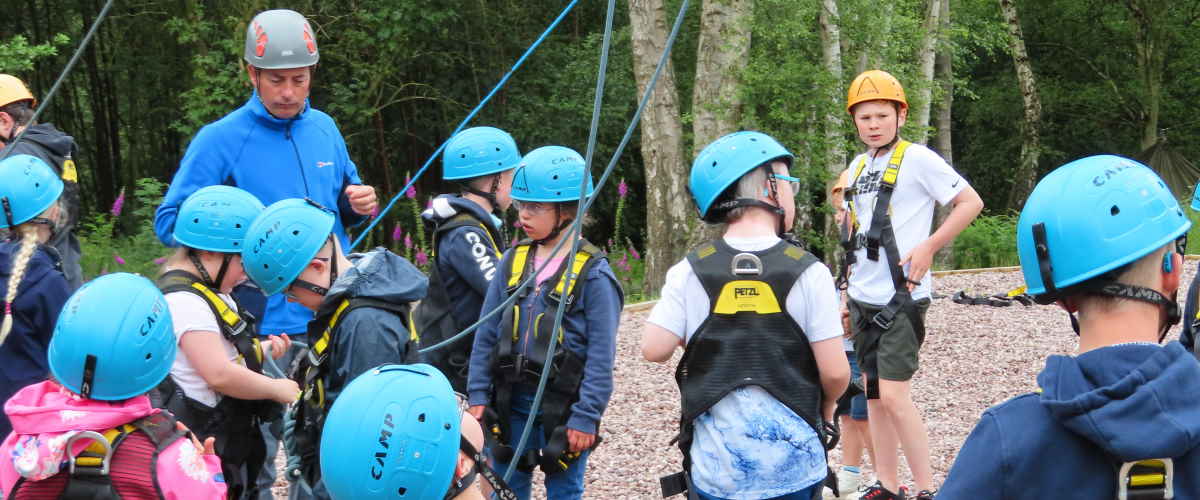
Our calendar of events provides fun family days out and training for the whole family. Whether it’s a day at Chester zoo, trip to a soft play centre or a pizza plus night out for our teenage members we aim to provide a range of experiences in a supportive environment. To see what’s on offer and book your place see our events calendar.
Training
As a support group CDSSG recognise how important it is for parents to feel like they are doing the ‘right thing’ for their child. We aim to provide parents/carers with up to date information to give them the confidence support their child.
The group offers evening workshops in our Northwich office on a variety of topics such as Encouraging Speech & Language through Play, Introduction to Numeracy & Literacy for Children with DS & many more.
As speech is an area of difficulty for our children, the group has Makaton trainers who run courses throughout the year. Makaton is a programme in which signs and symbols are used with speech to support spoken language.
Parents are also welcome to attend our training days which are primarily aimed at best practice in education. For more information see our calendar of events.
Parent support
We recognise that it’s important for parents to talk and share their experiences to support one another. Whilst our activity days are great fun they can get busy and hectic so we aim to provide parents with an opportunity to meet away from the children, enjoy some tasty food in great company and have a catch up.
Please remember that we are here to support you and your family through the current coronavirus pandemic.
Contact us to get in touch. For information about additional ongoing support services please see the resources below.
One of the main reasons the group was started back in 2007 was because we, as parents, realised how important it was to have other people to share experiences with. We aim to provide opportunities for parents, carers, sibling & extended family networks to have fun in a fully inclusive environment where the child with Down’s syndrome is one of many rather than one of a few. Research has shown providing this type of social environment improves children’s self-esteem.
CDSSG run regular support activities for people with Down’s syndrome and their family members. For more information or to book onto a course, see our interactive calendar of events or contact admin@cdssgroup.org.uk
The DSA offers a number of resources and advice tools for families. To access this please click here
Can I access help before my child with Down’s syndrome is born?
Yes, you can. We are always happy to meet with expectant parents to discuss any questions you may have. We will also signpost you to services and resources that can help you on your journey.
How will down’s syndrome affect my child’s development?
Your child is unique so they will develop in their own time. Children with Down’s syndrome may all have a third copy of chromosome 21 but each will walk, talk, eat, potty train and learn to live independently at different times. All children with Down’s syndrome experience some degree of learning disability and will make progress in most areas - in their own time.
What are the characteristic strengths of people with Down’s syndrome?
Reading ability, gesture and mime, visual learning and social interaction are all characteristic strengths. When learning is tailored to these strengths then the potential of children with Down’s syndrome can be unlocked.
How can I help my child with Down’s syndrome to make friends?
Depending on your child’s own unique personality they could show you the way when it comes to making friends! However, not all children feel comfortable making new friendships and there are ways you can help. Providing opportunities for social interaction based on their likes and interests, providing choices about what they would like to do and who they would like to spend time with as well as modelling appropriate social behaviour will all help.
How does physical activity benefit people with Down’s syndrome?
As with everyone who takes part in sport the benefits include health, fitness, friendships and the satisfaction that comes from learning a new skill. DSActive carried out research and found that, since joining one of their sessions 27% of participants had lost weight, 68% improved their fitness, 78% improved their physical ability and 91% improved their social skills. They also found evidence that social interactions, team work, non-verbal and verbal communications skills all improved.
How can peer support events help my family?
Peer support events and days out are a chance for people with Down’s syndrome and their parents/ carers, siblings and grandparents to catch up with other families who have shared experiences to enjoy themselves together. Friendships grow through these events and families are able to enjoy experiences in a risk free environment. This means that if the day doesn’t go entirely to plan then there are supportive, like-minded individuals there to support one another. We find that these events are valuable for the whole family.
What does the future hold for my child with Down’s syndrome?
Generally, people with Down’s syndrome are living longer and achieving more than ever before. With the right support, people with Down’s syndrome are living independently, forming relationships, becoming role models and gaining employment.
To help personalise content and provide a better experience, we use cookies. By clicking “Accept”, you consent to the use of cookies including those served by third party data providers including Google Analytics, Twitter and Facebook.
This website uses cookies to improve your experience while you navigate through the website. Out of these cookies, the cookies that are categorized as necessary are stored on your browser as they are essential for the working of basic functionalities of the website. We also use third-party cookies that help us analyze and understand how you use this website. These cookies will be stored in your browser only with your consent. You also have the option to opt-out of these cookies. But opting out of some of these cookies may have an effect on your browsing experience.
Necessary cookies are absolutely essential for the website to function properly. This category only includes cookies that ensures basic functionalities and security features of the website. These cookies do not store any personal information.
Any cookies that may not be particularly necessary for the website to function and is used specifically to collect user personal data via analytics, ads, other embedded contents are termed as non-necessary cookies. It is mandatory to procure user consent prior to running these cookies on your website.